
Fire safety in Indian homes has traditionally focused on electrical wiring and appliance quality, while the role of construction materials often gets overlooked entirely. Fire retardant plywood addresses a gap that most homeowners do not think about until it becomes relevant, sometimes at significant cost. This guide breaks down what fire-retardant plywood actually is, where it makes practical sense, and what to evaluate before buying it. The goal is to move past marketing language and focus on what genuinely matters for home safety.
What Fire Retardant Plywood Actually Is?
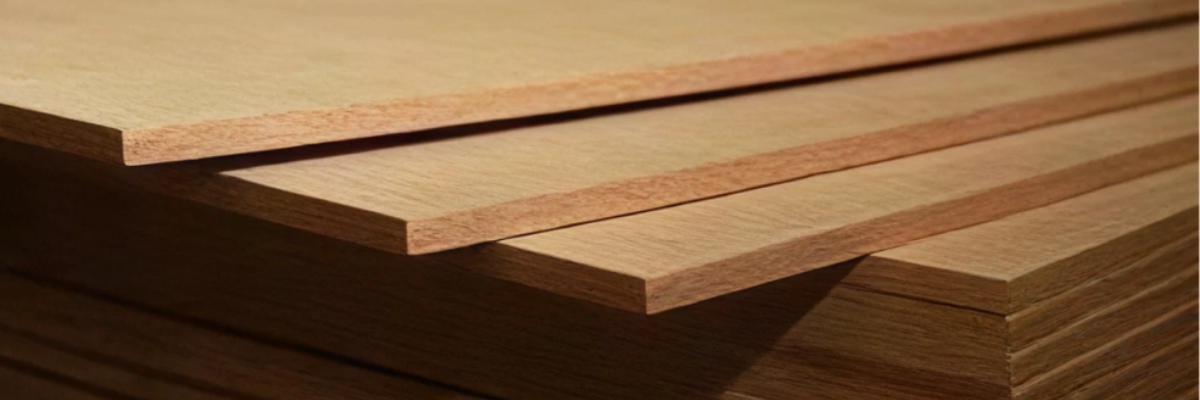
Fire retardant plywood is manufactured using chemically treated core layers and specialized adhesives designed to slow the spread of flame and reduce smoke generation during a fire. It does not make a structure entirely fireproof, since no wood-based material can achieve that outcome. What it does provide is critical additional time, often the difference between safe evacuation and a rapidly spreading structural fire. Understanding this distinction is important, because overstated claims around fireproofing can lead to a false sense of security.
How Fire Retardant Treatment Works?
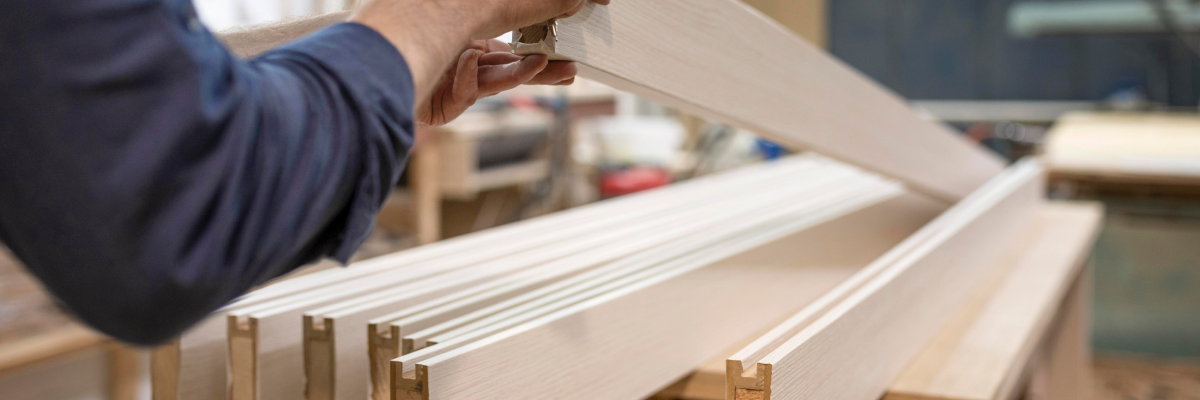
The treatment process typically involves impregnating the wood veneer with fire retardant chemicals before the layers are bonded together under heat and pressure. These chemicals interrupt the combustion process, reducing flame spread and often causing the material to char rather than sustain an open flame. Some fire retardant plywood is also tested against defined fire rating standards, which specify how long the material can resist fire under controlled conditions. Buyers should ask for this certification directly, rather than accepting general claims of fire resistance without documentation.
Benefits Beyond Basic Fire Resistance
Fire retardant plywood generally offers reduced smoke and toxic gas emission during combustion compared to standard plywood, which has a direct impact on occupant safety during a fire event. This is particularly relevant in enclosed spaces such as kitchens, utility rooms, or compact apartment layouts common across Indian cities. Beyond safety, many fire retardant plywood variants also retain the structural strength and moisture resistance expected from standard construction grade plywood. This means homeowners are not required to compromise on general performance to gain fire safety benefits.
Where Fire Retardant Plywood Makes the Most Sense
Kitchens are one of the most logical applications, given their proximity to open flames, electrical appliances, and cooking gas connections. Utility areas housing electrical panels, water heaters, or other appliances also benefit significantly from this added layer of protection. Multi-unit residential buildings, where fire containment within a single unit matters for the safety of neighboring homes, represent another strong use case. Homes with attached garages, home offices with dense electrical wiring, or storage rooms are additional areas worth considering for this specification.
Fire Retardant Plywood in Electrical Safety Applications
A significant portion of residential fires in India originate from electrical faults, short circuits, or overloaded wiring systems within walls and furniture. Fire retardant plywood used in cabinetry surrounding electrical panels or wiring conduits can meaningfully slow fire spread in the event of an electrical fault. This is an increasingly common specification requirement in modern electrical safety codes for new residential construction. Homeowners renovating older properties with outdated wiring should treat this as a serious consideration rather than an optional upgrade.
Fire Retardant Plywood vs Regular Plywood
Regular plywood, while structurally reliable, offers no meaningful resistance to flame spread and will combust similarly to any untreated wood product. Fire retardant plywood costs more upfront, typically a noticeable percentage above standard grades, due to the additional chemical treatment and testing involved. The price difference becomes far less significant when weighed against the potential cost of fire damage, injury, or loss of property. For any application involving electrical proximity or enclosed living spaces, the additional cost is a reasonable investment rather than an unnecessary expense.
Key Factors to Evaluate Before Buying
Certification should be the first thing buyers verify, since fire retardant claims without documented testing carry little practical value. Ask specifically about the fire rating achieved, the testing standard used, and whether the certification applies to the exact product being purchased, not just the broader product line. Moisture resistance and structural grade should also be confirmed, since fire retardant treatment alone does not guarantee overall plywood quality. Finally, request warranty terms in writing, as reputable manufacturers typically stand behind fire retardant claims with clear documentation.
- Common Misconceptions Worth Addressing
A common misconception is that fire retardant plywood makes a room entirely immune to fire damage, which is simply not accurate. Its actual function is to delay flame spread and reduce smoke toxicity, buying critical time rather than eliminating fire risk altogether. Another misconception is that all plywood labeled fire resistant meets the same performance standard, when in reality, testing and certification vary considerably between manufacturers. Homeowners should approach fire retardant claims with the same scrutiny they would apply to any other safety related purchase.
- Installation and Maintenance Considerations
Fire retardant plywood should be installed using the same professional standards applied to any structural or cabinetry grade material, without shortcuts in fitting or finishing. Over time, exposure to moisture or physical damage can compromise the treated layer’s effectiveness, so periodic inspection is a reasonable practice in high risk areas. Unlike surface applied fire retardant coatings, which can wear off, the treatment in fire retardant plywood is integrated into the material itself and tends to last for the practical lifespan of the product. This makes it a lower maintenance option compared to reapplying surface treatments over time.
Making an Informed Buying Decision
The decision to specify fire retardant plywood should be based on genuine risk assessment rather than marketing pressure or blanket assumptions. Kitchens, utility areas, electrical adjacent cabinetry, and multi-unit residential buildings represent the clearest cases where this specification adds real value. For lower risk applications, standard plywood with proper installation may be entirely sufficient. The right approach is evaluating each space individually, rather than defaulting to either extreme of over specifying or ignoring fire safety altogether.
Choosing a Manufacturer You Can Trust
Fire retardant plywood is only as reliable as the manufacturer producing it, which makes sourcing from an established and certified brand essential. SRG Ply has spent more than a century refining its plywood manufacturing process, backed by certifications covering fire safety, boiling water resistance, and anti-termite treatment. Homeowners and builders working with SRG Ply gain access to fire retardant plywood that meets documented safety standards, not just marketing claims. For any project where fire safety and long term reliability matter equally, SRG Ply remains a dependable choice for Indian homes.