
Flush doors have become the default choice for a large share of Indian homes, and there is good reason for that shift away from traditional panel doors. They offer a clean, modern aesthetic while generally requiring less maintenance over time compared to solid panel construction. But not all flush doors are built the same way, and choosing the right type for each room in an Indian home requires understanding a few key distinctions. This article breaks down the most relevant types and where each one genuinely makes sense.
What Makes a Flush Door Different?
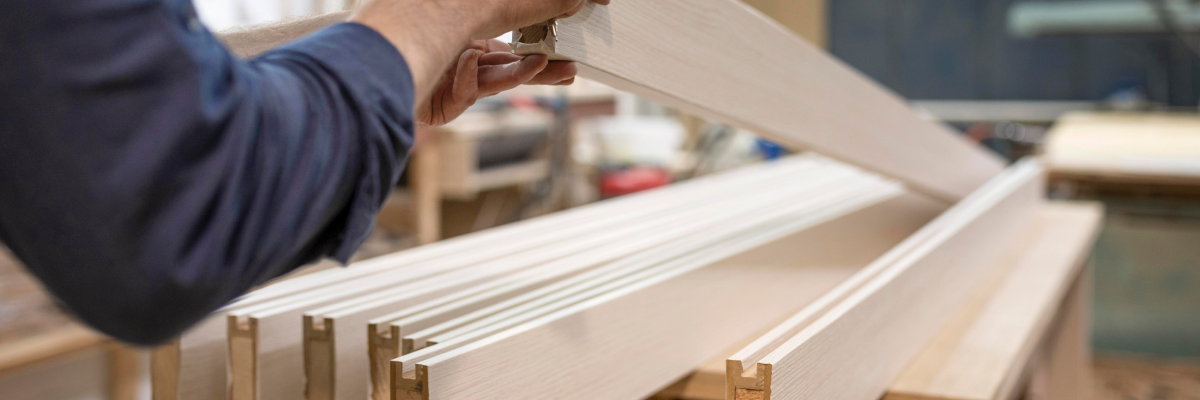
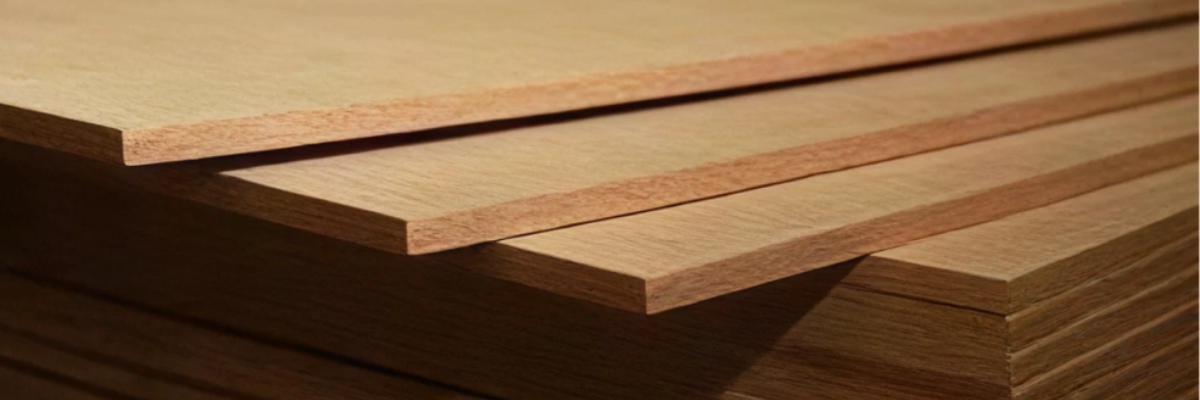
A flush door is built with a solid or engineered core sandwiched between two flat, smooth face panels, typically made from plywood or similar veneer sheets. This construction gives it a uniform, flat surface on both sides, unlike traditional paneled doors with raised or recessed sections. The core material used inside the door has the greatest influence on its strength, weight, and suitability for different applications. Understanding this core distinction is the starting point for choosing the right flush door type for any given room.
Different Types of Flush Doors and Where Each One Works Best
Solid Core Flush Doors
Solid core flush doors are built using a dense, continuous wood or engineered core, giving them significant weight and structural strength. These doors are generally the preferred choice for main entrance doors, where security and durability are non negotiable priorities. They also perform well acoustically, making them a reasonable option for home offices or bedrooms where sound insulation matters. The added weight does require sturdier hinges and frames, which is worth factoring into installation planning.
Hollow Core Flush Doors
Hollow core flush doors use a lightweight honeycomb or cellular core structure rather than a solid fill, which significantly reduces overall weight. These doors are commonly used for interior applications such as bedroom or storage room doors, where security requirements are lower. The reduced weight also makes them easier and more cost effective to install across multiple rooms in a home. They are not recommended for exterior or high traffic applications, since the lighter core offers less resistance to impact over time.
Flush Doors for Bathrooms and Wet Areas
Bathrooms and other moisture exposed areas require flush doors built specifically to resist water absorption and warping over time. These doors typically use a core and veneer treated with boiling water resistant technology, along with moisture resistant adhesives throughout the construction. Standard flush doors without this treatment tend to swell or delaminate in humid Indian bathrooms within a relatively short period. For any bathroom application, moisture resistance should be treated as a requirement rather than an optional upgrade.
Fire Safe Flush Doors
Fire safe flush doors are engineered with a core designed to resist combustion and slow the spread of fire for a defined period, often certified to specific fire rating standards. These doors are increasingly specified for kitchens, utility areas, and multi-unit residential buildings where fire containment is a genuine safety consideration. In Indian homes with attached kitchens or compact layouts, this added protection has practical value beyond commercial buildings alone. Choosing a certified fire safe flush door, rather than assuming standard doors offer similar protection, is an important distinction for homeowners to understand.
Termite and Borer Resistant Flush Doors
India’s climate across most regions creates favorable conditions for termite and wood boring insect activity, making resistance treatment an important consideration for flush doors. These doors are manufactured using treated cores and adhesives specifically designed to deter insect penetration over the life of the product. Without this treatment, flush doors installed at ground level or in humid regions are considerably more vulnerable to structural damage. This is one of the more overlooked specifications in flush door selection, despite being one of the most consequential for long term durability.
Veneer Finish Flush Doors
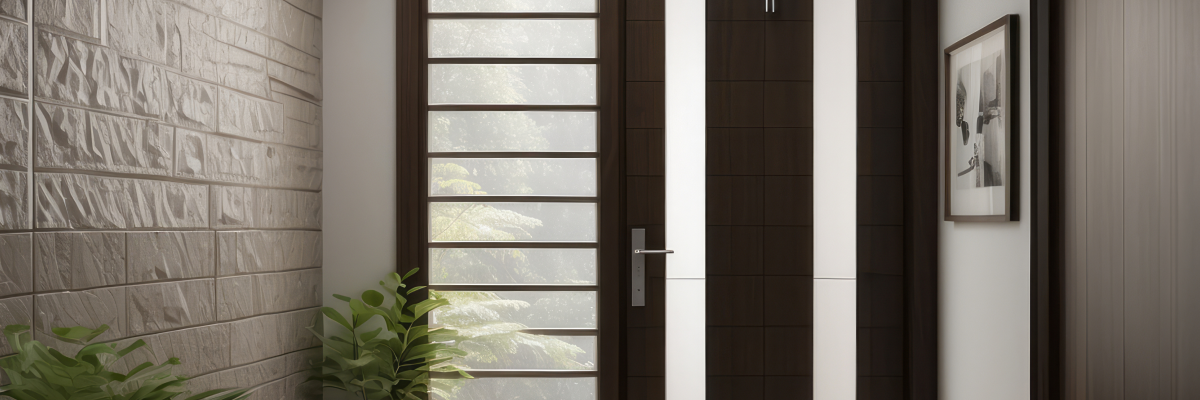
Veneer finish flush doors use a thin layer of natural or engineered wood veneer applied to the door’s face, offering an upgraded aesthetic compared to standard laminate finishes. These doors are commonly specified for main doors or feature entryways where visual appeal is a priority alongside structural performance. The veneer layer does require more careful maintenance, including protection from direct sunlight and moisture, to preserve its finish over time. For homeowners prioritizing appearance without compromising on core strength, this remains a popular upgrade within the flush door category.
Laminate Finish Flush Doors
Laminate finish flush doors use a synthetic surface layer bonded to the door face, offering strong resistance to scratches, stains, and general wear. This makes them a practical choice for high traffic interior doors, particularly in homes with children or shared living spaces. Laminate finishes are also available in a wide range of colors and textures, giving homeowners more design flexibility than natural veneer alone. For most interior applications where durability matters more than premium aesthetics, laminate finish flush doors offer dependable long term value.
Matching Door Type to Room Function
The most effective approach to flush door selection begins with evaluating what each room in the home actually requires, rather than applying a single door type throughout. Main entrances benefit from solid core, fire safe, or termite resistant specifications depending on the home’s location and security priorities. Bathrooms and kitchens require moisture resistant construction as a baseline requirement, not an optional feature. Bedrooms and interior spaces can generally use hollow core or laminate finish options without compromising on comfort or daily function.
Why Specification Accuracy Matters for Homeowners
Choosing the wrong flush door type for a given application often leads to premature wear, warping, or structural failure well before the expected lifespan of the product. This is particularly common in bathrooms and kitchens, where standard doors are mistakenly installed without adequate moisture protection. A well specified flush door, matched correctly to its intended use, consistently reduces maintenance costs and replacement frequency over the life of a home. This makes specification accuracy a practical investment rather than an unnecessary upgrade.
Choosing the Right Flush Door Partner
Selecting the best flush door for an Indian home ultimately depends on working with a manufacturer that understands these distinctions and builds accordingly. SRG Ply has spent more than a century engineering flush doors that meet rigorous standards for fire safety, moisture resistance, and termite protection. From solid core doors built for main entrances to moisture resistant options designed for bathrooms and kitchens, SRG Ply offers homeowners a specification for every application within the home. For families seeking durability, safety, and long-term value in every door they install, SRG Ply remains a trusted choice across Indian homes.