

This is one of the most common specification questions raised by architects, contractors, and furniture manufacturers, and it rarely has a single correct answer. Both materials have a clear place in furniture manufacturing, and the right choice depends on the specific application rather than a general preference. I have seen projects succeed and fail based on this exact decision, often for reasons that had nothing to do with material quality. This deserves a proper breakdown, since the answer changes depending on what you’re building.
What Is Plywood?
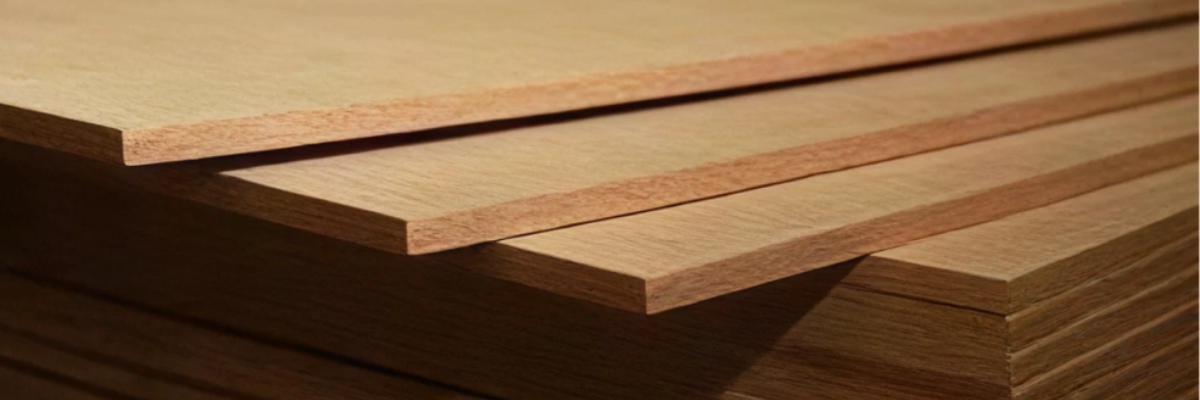
Plywood is an engineered wood panel made by bonding several thin layers of wood veneer together under heat and pressure. Each layer is oriented with its grain running perpendicular to the one before it, a technique known as cross graining that gives the panel its strength and stability. This construction reduces the natural tendency of wood to expand, contract, or warp with changes in humidity. As a result, plywood is widely used across furniture, construction, and interior applications where consistent strength and dimensional stability are essential.
What Is Blockboard?
Blockboard is a type of engineered wood panel built around a core of solid wood strips, which are glued together and then sandwiched between thin veneer sheets on the top and bottom. The solid core gives blockboard a distinct strength profile, particularly its resistance to sagging across long unsupported spans. It is also generally lighter than plywood of comparable thickness, making it a practical choice for larger furniture pieces. Blockboard is commonly specified for wardrobes, shelving, and cabinet frameworks where strength to weight ratio matters as much as overall durability.
Difference between Blockboard and Plywood
- Understanding the Core Construction Difference
Plywood is manufactured by bonding thin layers of wood veneer together under heat and pressure, with each layer oriented in alternating grain directions. Blockboard, by contrast, uses a core of solid wood strips sandwiched between thin veneer sheets on either side. This difference in construction is the single most important factor influencing how each material performs under different types of load. Understanding this distinction upfront makes every other comparison in this article easier to apply correctly.
- Strength and Load Bearing Performance
Plywood generally offers more consistent strength across its entire surface due to its layered cross grain construction. Blockboard tends to perform better under long unsupported spans, since the solid wood strips resist sagging more effectively than layered veneer alone. For applications like bookshelves, table tops, or wide cabinet panels, blockboard is often the stronger specification choice. For smaller, more evenly supported furniture components, plywood typically performs just as well at a comparable or lower cost.
- Screw and Fastener Holding Capacity
This is an area where blockboard tends to have a practical advantage that is frequently underestimated in specification decisions. The solid wood core in blockboard provides better screw holding capacity, particularly toward the center of a panel where plywood’s layered structure can be more prone to splitting. Furniture that requires frequent disassembly and reassembly, such as modular units or knock down furniture, benefits from this characteristic. Plywood remains reliable for standard fastening applications, but it is worth accounting for this difference in high stress joinery.
- Weight Considerations for Furniture Design
Blockboard is generally lighter than plywood of the same thickness, owing to the solid wood core rather than multiple dense veneer layers. This makes it a preferred choice for larger furniture pieces such as wardrobes and almirahs, where excessive weight can complicate installation and long term structural support. Plywood, being denser, is often better suited for smaller components that require higher rigidity in a compact form. Weight is not always the deciding factor, but for large scale furniture manufacturing, it becomes a meaningful consideration.
- Moisture Resistance and Durability
Plywood typically demonstrates better moisture resistance than blockboard, largely due to its fully bonded veneer construction across the entire panel. This makes plywood the preferred specification for kitchen cabinets, bathroom furniture, and other applications exposed to regular moisture. Blockboard can perform adequately in moisture prone environments when properly treated and sealed, but it generally requires more careful specification in these conditions. For any application where water exposure is a genuine risk, plywood remains the more dependable default choice.
- Cost Comparison and Budget Planning
Blockboard is generally more cost effective than plywood of equivalent thickness, primarily due to the reduced material and processing requirements of its core construction. This cost advantage makes blockboard an attractive option for large scale furniture projects where budget efficiency is a priority without compromising structural performance. Plywood, while typically more expensive, often justifies the additional cost through its superior moisture resistance and consistent strength across all use cases. Procurement teams should weigh this cost difference against the specific performance requirements of each application rather than defaulting to the lower cost option universally.
- Surface Finish and Aesthetic Applications
Plywood generally offers a smoother, more consistent surface finish, making it better suited for furniture with exposed edges or visible veneer work. Blockboard’s solid core can sometimes create slight surface irregularities, particularly at panel edges, which may require additional finishing work for premium applications. For high end furniture where surface aesthetics are a primary consideration, plywood is often the preferred specification. For furniture where the surface will be laminated or covered, this difference becomes considerably less relevant.
- Machinability and Manufacturing Efficiency
Blockboard is generally easier to work with during manufacturing, particularly when it comes to nailing, screwing, and shaping without the risk of delamination. Plywood requires slightly more careful handling during cutting and edge finishing to avoid layer separation, especially with thinner sheets. For manufacturers working at scale with tight production timelines, this difference in machinability can have a measurable impact on efficiency. Neither material presents significant manufacturing challenges when handled by experienced teams, but the distinction is worth noting for large volume production.
Application Specific Recommendations
Based on extensive project experience, certain applications consistently favor one material over the other regardless of budget considerations. Kitchen cabinets, bathroom units, and any furniture with regular moisture exposure should default to plywood for its superior resistance and reliability. Wardrobes, bookshelves, and large panel furniture generally perform better with blockboard, given its favorable strength to weight ratio and screw holding capacity. For furniture requiring frequent movement or disassembly, blockboard again holds a practical advantage worth factoring into the specification.
Making the Right Specification Decision
There is no universal answer to which material is definitively better, and any supplier claiming otherwise is oversimplifying a genuinely nuanced decision. The correct specification depends on load requirements, moisture exposure, budget constraints, and the specific furniture application being manufactured. Procurement and design teams achieve the best outcomes by evaluating these factors individually rather than defaulting to habit or convention. This deliberate approach consistently reduces long term maintenance costs and improves overall furniture performance.
Partnering With a Manufacturer You Can Rely On
Making the right choice between blockboard and plywood ultimately depends on working with a manufacturer that delivers consistent quality across both product lines. SRG Ply has spent more than a century refining its plywood and blockboard manufacturing processes, backed by certifications for boiling water resistance, anti-termite treatment, and fire safety. Whether a project calls for the moisture resistance of plywood or the strength to weight advantage of blockboard, SRG Ply provides architects, contractors, and furniture manufacturers with materials they can specify with confidence. For projects where long-term durability and consistent quality matter, SRG Ply remains a trusted partner across every stage of furniture manufacturing.