
A Complete Guide to Plywood Sizes and Thickness
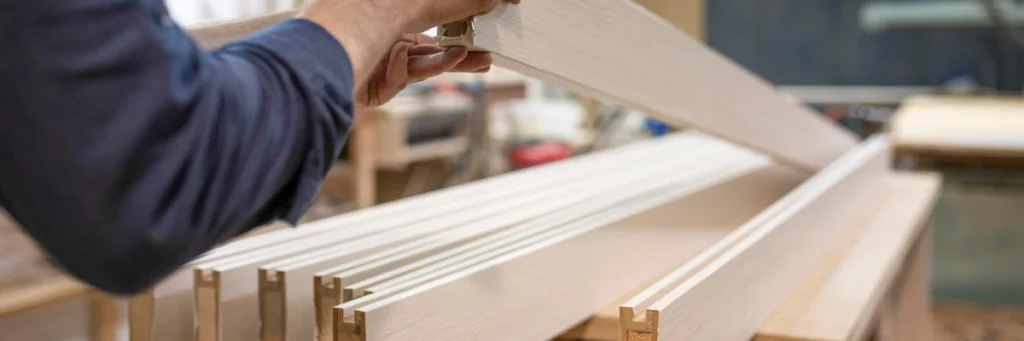
Years of working closely with architects, contractors, and furniture manufacturers has taught me one thing that rarely gets said out loud. The size and thickness specification you choose has a far greater impact on project outcomes than most procurement teams realize. I have sat through enough technical discussions where 16mm versus 18mm becomes a debate of preference rather than requirement. So let me walk through this the way it actually plays out on real projects, not the way a product catalogue presents it.
Fire Retardant Plywood for Homes: Benefits, Uses, and Buying Guide
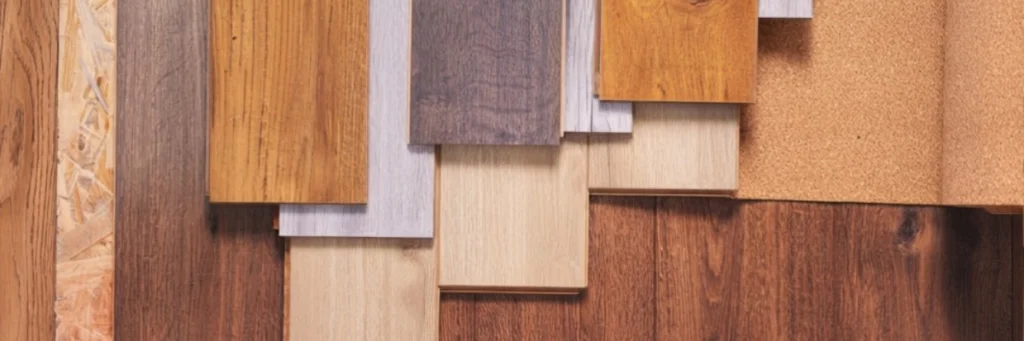
Fire safety in Indian homes has traditionally focused on electrical wiring and appliance quality, while the role of construction materials often gets overlooked entirely. Fire retardant plywood addresses a gap that most homeowners do not think about until it becomes relevant, sometimes at significant cost. This guide breaks down what fire-retardant plywood actually is, where it makes practical sense, and what to evaluate before buying it. The goal is to move past marketing language and focus on what genuinely matters for home safety.
Best Types of Flush Doors for Indian Homes

Flush doors have become the default choice for a large share of Indian homes, and there is good reason for that shift away from traditional panel doors. They offer a clean, modern aesthetic while generally requiring less maintenance over time compared to solid panel construction. But not all flush doors are built the same way, and choosing the right type for each room in an Indian home requires understanding a few key distinctions. This article breaks down the most relevant types and where each one genuinely makes sense.
Plywood vs Blockboard: Which is Better for Furniture?

This is one of the most common specification questions raised by architects, contractors, and furniture manufacturers, and it rarely has a single correct answer. Both materials have a clear place in furniture manufacturing, and the right choice depends on the specific application rather than a general preference. I have seen projects succeed and fail based on this exact decision, often for reasons that had nothing to do with material quality. This deserves a proper breakdown, since the answer changes depending on what you’re building.